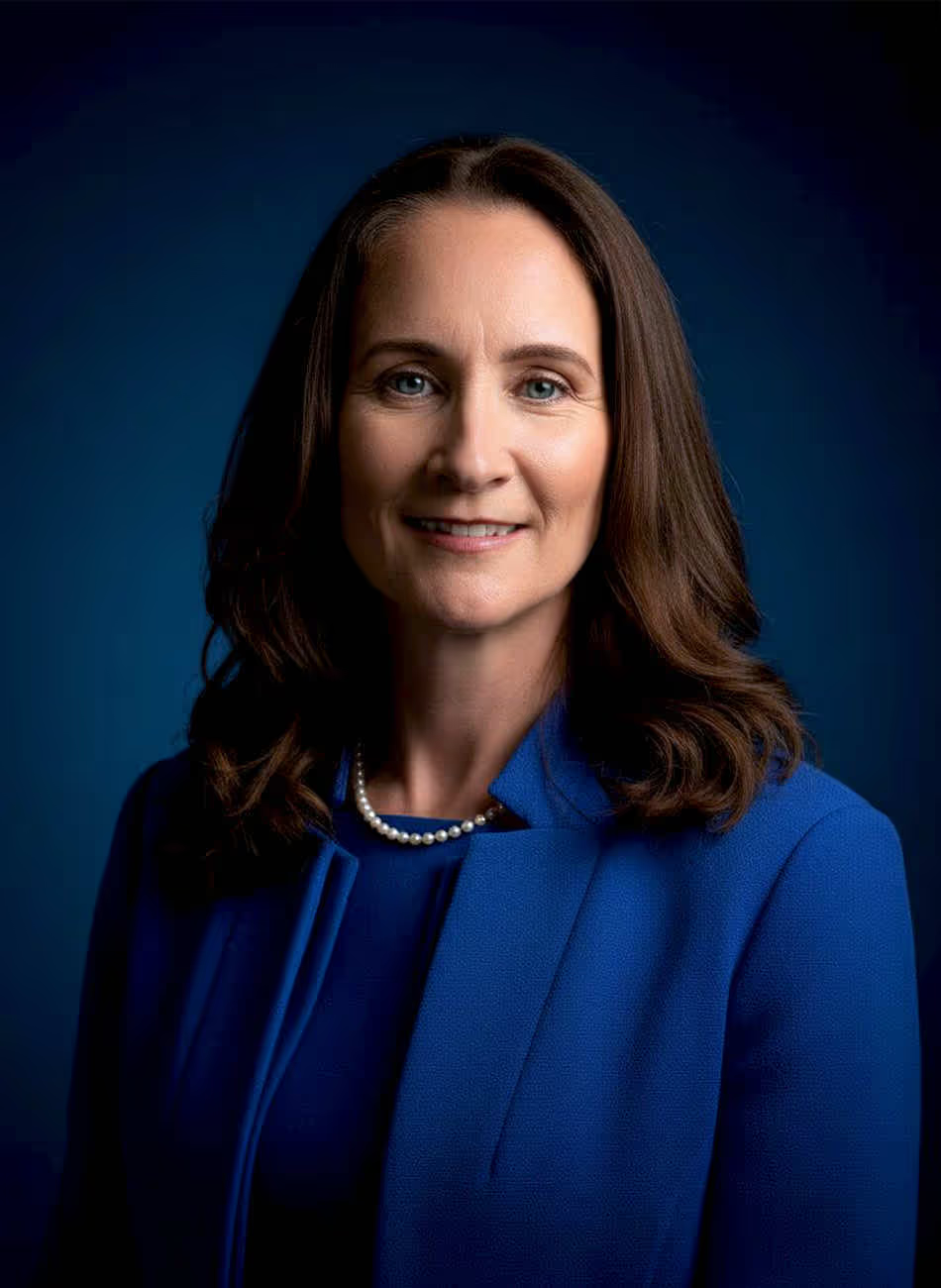
In Conversation with Katriina Makinen: Bridging Generational Gaps & Building Future-Ready Teams

This conversation takes on added significance in the legal sector, where traditional models meet new expectations for flexibility, wellbeing, and modern qualification routes.
Gill: Katriina, many leaders sense "something is changing" but struggle to name it. How do you define the generational shift and why does it matter?

Katriina: We're in a unique situation where we have 5 generations working side by side from 16 year olds to 80 year olds (think apprentices to board members, advisors and founders etc.). There is a vast difference in the way these generations behave and communicate, and what their expectations, beliefs and values are. Generation Z (born 1997 - 2012) is the first digital native generation and also a generation that has been shaped by uncertainty (economic instability, the pandemic, wars).
They have information available at their fingertips constantly, instantly and in abundance and they grew up with social media and smartphones. They are characterised as being values-led and with mental health being non-negotiable. They request authentic leadership in a coaching-led style and are redefining what success looks like. Understanding why, and how, Gen Z differs from previous generations is the foundation for any mindset shift.
Important to note, is that neither Gen Z nor the previous generations are right or wrong; they simply operate fundamentally from different assumptions with regards to work, authority, communication and success.
And why does this matter? Because the generational shift is happening right now, shaping the future workplaces in unprecedented ways. It is estimated that by 2030 one third of the workforce in the UK will consist of Gen Zs. Portfolio careers (where an individual has multiple incomes instead of one 9-5 job) are estimated to represent 50% of the workforce by 2030 (OECD) and, with AI redefining our tasks, the way we have worked so far will be reshaped by these new norms. Those that have already started to adapt to this will find new, successful ways of working, build a competitive edge and maximise the potential of individual differences to drive their success.
-
Gill: If awareness precedes change, what should leaders understand first?
Katriina: The first thing we need to do is to understand this: Mindset shift creates transformative change. It all starts with you.
- Raise your awareness
Start by understanding this big generational shift; what is going on, why it is happening, and the role you play in it. Mindset shift is all about having the information and being aware, in order to be able to do something about it. - Understand your unique Gen Zs
Check in with your Gen Zs: What are their needs (e.g. meeting frequency and check-in points, development plans, career pathways, access to support, flexible ways of working, responsibility and so on)? And how do you work best with them. - Start Small
Do something to move the needle. Start with a small thing, gather momentum and keep going.

Gill: What high‑level practices actually help teams bridge the gap?
Katriina: The key lies in creating intentional touch points that value both fresh perspectives and experienced knowledge whilst addressing Gen Zs unique expectations.
- Attraction, recruitment and onboarding
Start by attracting the right candidates for the organisation, the ones who will thrive. An assessment of who will thrive at your organisation might be needed first, but once that's established, you'll have an understanding of which traits lead to success (e.g. entrepreneurial mindset, preference for solo or team working, social or introverted tendencies and so on). The search becomes more targeted and specific, which resonates strongly with Gen Zs as you are not trying to be “everything”or looking for “everyone”.
Following this, ensure your recruitment and onboarding processes provide an excellent experience for applicants. Focus on human interaction, purpose and practical skills. Note that according to some research, 20% of Gen Z leave their job due to poor onboarding.
- Enable your Managers and Leaders
Equip managers/leaders with practical tools for engaging with Gen Z: clear communication channels, development opportunities, coaching-led management style, clear career paths and more. This can be achieved through targeted leadership training and tailored workshops. - Establish a Mentoring Framework
If you are an organisation with +100 employees, consider establishing a Mentoring Framework that pairs experienced professionals with emerging talent, building relationships across departments, sharing experiences and enabling knowledge transfer in both directions.
Ready-made frameworks exist, including training for future mentors, which organisations can incorporate seamlessly. - Succession Planning
Think beyond traditional succession planning by identifying and nurturing Gen Z talent early, creating clear pathways for advancement whilst ensuring critical organisational knowledge is transferred before experienced employees retire.
Structured approaches exist to help organisations map out these transitions systematically, protecting knowledge whilst developing the next generation of leaders.
-
Gill: Let's talk future‑readiness. How do you approach succession, career pathways, and skills mapping?
Katriina: Think beyond traditional succession planning by identifying, engaging and nurturing Gen Z talent early, creating clear career pathways for advancement whilst ensuring critical organisational knowledge is transferred before experienced employees retire.
Map skills and capture knowledge, design flexible pathways and develop your leaders to lead multi-generational teams.

Gill: Retention seems to be the ROI many boards ask for. Does this approach move the needle?
Katriina: When you focus on retention, you focus on ensuring your employees are happy, motivated and by default you'll engage with them; increasing the likelihood that they will stay. What we’re seeing is higher turnover, particularly among Gen Z, who - if they don’t like aspects of the work, sometimes as early as during onboarding - will leave.
The average turnover for UK businesses is 34% (CIPD, 2024), whereas a healthy staff turnover rate is suggested around 10% (Gallup research). The average tenure of Gen Z is less than 2 years. So, yes, engaging with your Gen Z employees, understanding what motivates them is key to ensuring retention is high.
-
Gill: Hybrid and flexible work are here to stay, but younger generations benefit from in‑person learning. How do we balance the two?
Katriina: You are right in that Gen Z value flexible working arrangements, but they also crave connection, mentorship and belonging. And here is what you could consider:
- Define flexibility clearly: Is it about location, hours, or autonomy? Be specific about what's negotiable and what's not.
- Design collaboration, don't demand it: Instead of mandating office days, create reasons people want to be together (workshops, mentoring sessions, team problem-solving). Make it fun and purposeful to be together.
- Use tools intentionally: Not everything needs a meeting. Let people contribute when they're at their best.
- Set collaboration windows, not office days: E.g. 'We work collaboratively Tuesdays 10am – 3pm' gives structure without rigidity.
- Measure outcomes, not presence. If the work's getting done and the team's connected, does location really matter? And do stop micromanaging.
-
Gill: The legal industry has unique pressures: In law firms there’s billable hours, client responsiveness, partner succession, and culture across offices. For in-house teams there’s the pressure of being everything to everyone, the pressure to always do more, and of being viewed as non-profit generating cost centre. How do these ideas land in that world?
Katriina: Like other industries, the legal sector is experiencing this generational shift and it requires a mindset shift from experienced professionals, as well as creativity and curiosity to find ways that work for the organisation, employees, and clients. The challenges aren't necessarily related to Gen Zs capability but more so to the mismatch between traditional legal delivery and structures/hierarchies and modern expectations. As the number of Gen Z grow in the workplace so will the number of Gen Z clients, so the shift will not only be seen in-house but also by clients.
Where organisations and their teams struggle, it is usually because expectations on both sides are not clear and not communicated. Where organisations succeed, they treat Gen Z aspart of a broader mindset shift about how future legal work is delivered, developed and led.
The answer isn't one‑size‑fits‑all, but the principles we've discussed above still hold: ensure the purpose is clear, embed learning into hybrid work, create career paths that reflect today's reality, embed personal development beyond technical job requirements and communicate with clarity. When organisations do this, they protect quality, retain talent, and keep client service strong.
Organisations investing now in coaching-led leadership, transparent advancement paths, and hybrid models will build competitive advantages. This isn't about abandoning legal excellence, it's about holding onto what matters whilst building more sustainable, more effective ways of working.
-
Gill: What one mindset shift would you leave with leaders?
Katriina: Create a together mindset. When we frame differences as collective potential, not friction, we build future-ready teams that can adapt, retain talent, and grow with an ever-shifting world.
-
Practical Tips
Here are practical steps you can take as a leader:
- Make progression visible and clarify it
Lay out what good performance looks like at each stage. Gen Z value transparency. Having clear expectations reduces anxiety, accelerates development and prevents early disengagement. - Modernise feedback loops
Annual reviews aren't enough for Gen Zs. Instead, they value regular, short check-ins that support them and signal they are not alone. - Redefine commitment beyond hours logged
Reward quality of work, learning progression and contribution to team outcomes, not just being present. This improves performance across all generations, not only with Gen Z. - Invest in mentoring at the start
Establishing a Mentoring Framework and a mentoring culture helps transfer knowledge both ways.It supports the confidence of Gen Z, builds relationships across the organisations and clarifies understanding of how different generations work. - Address wellbeing structurally, not symbolically
Wellbeing initiatives only work when workloads, staffing and expectations align. Gen Z quickly spot when wellbeing is talked about but not lived. - Use technology intentionally
Outdated systems frustrate Gen Z and slow everyone else down. Technology should reduce admin and free time for legal thinking, not add friction. Consider systems to drive efficiency and training and up skilling of people using the systems. - Support the mindset shift in leadership
This is not about lowering standards, but about leading differently. Coaching-led leadership, clearer communication, authenticity and curiosity about what motivates people are now core leadership capabilities. Invest in training your leaders.
-
About Katriina Makinen
Katriina is theFounder of Makinen Unlimited and a Leadership & Transformation Coach with over 20 years of international experience across sectors including pharma, biotech, healthcare, utilities, and construction. She works with organisations to maximise potential by bridging generational gaps, building future-ready teams, and retaining talent.
Katriina delivers coaching, facilitation, and mentoring frameworks that empower leaders and support multigenerational collaboration.
Learn more at www.makinenunlimited.com or contact katriina@makinenunlimited.com.